

Count the whole job, not just the appointment
A one-hour session may take much more than one hour of work. Add preparation, travel, cleaning, follow-up, editing or notes. You also need time for answering enquiries and running the business.
Write down the steps involved in delivering one booking. Estimate the time each takes, then track your actual time on your first few jobs. If you spend an extra hour after every appointment, your price needs to account for it.
Separate costs that happen for each job, such as materials, from ongoing costs such as software, equipment or room hire. Allocate a realistic share of ongoing costs to the work you expect to sell, rather than assuming every available slot will be booked.
Use a simple calculation to find a starting point
This is an illustrative planning calculation, not a recommended rate. Imagine a service takes two hours in total, including preparation and follow-up:
- Time allowance: 2 hours × £25 = £50.
- Materials or travel for that job: £8.
- Share of ongoing business costs: £7.
- Starting subtotal: £65, before payment fees, applicable taxes and any additional profit or contingency.
The £25 allowance is a business planning assumption, not guaranteed take-home pay. Your own costs, market, capacity and responsibilities will be different.
If a fee were 3% of the price plus 30p, covering a £65 subtotal would require (£65 + £0.30) ÷ 0.97, or about £67.32, before the other items above. These are hypothetical fee figures. Check the actual Shovva plan fees and payment-provider charges that apply to you.
Check what your customer is comparing
Look at services aimed at a similar customer and compare the whole offer: experience, location, preparation, duration, deliverables and support. A price without context is not a useful comparison.
Ask why someone would choose your service. It might be a convenient time, a particular specialism, a small group or a clearly defined outcome. Explain that value without promising results you cannot control.
If the price you need is above what your intended audience can pay, change the offer or delivery method. A shorter introduction session or small group may be workable where a discounted full service is not.
Make the scope visible before someone books
Scope means the boundaries of the job. State the duration, what is included, what the customer needs to provide and what costs extra. A photographer might include ten edited images and one location; a designer might include two revision rounds.
Use one straightforward offer first. Multiple packages help only when customers understand the difference. If every job depends on a brief, invite an enquiry and provide a quote once you know the requirements.
Show the total price clearly where possible, and explain any variable costs before a commitment. Avoid a low headline price that only works after unavoidable extras are added.
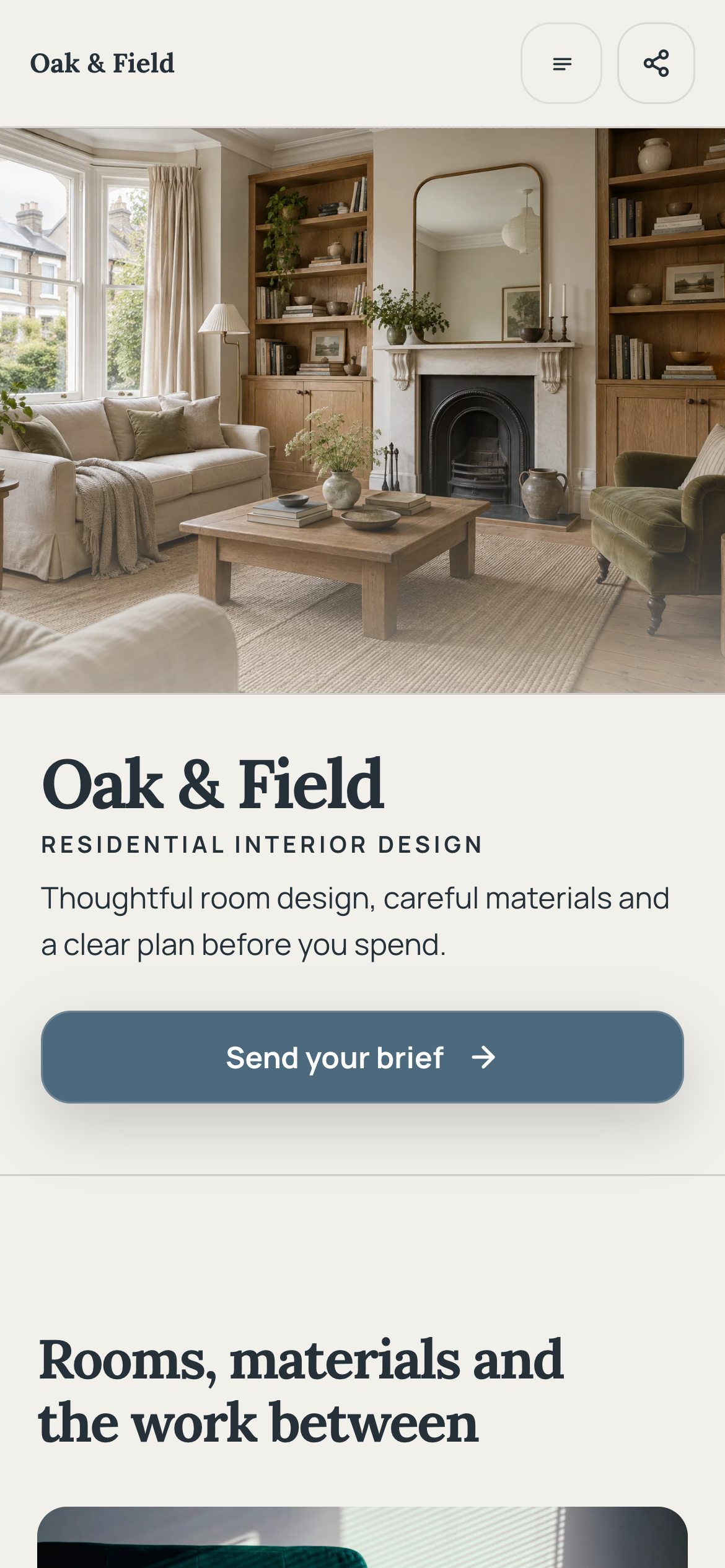
This example invites an enquiry about the project. When the price depends on the brief, explain what you need to know before you quote.
Actual Shovva screen. Fictional example business.
Review the price using actual delivery experience
For each completed job, note revenue, direct costs and total time. Check whether the work left enough room for your ongoing costs and the business to continue. Also record what customers valued and which requests expanded the job.
A busy calendar can still leave very little money after costs. If that happens, examine the scope, delivery process and price together. Communicate any price changes clearly for future bookings and honour the commitments already agreed.
Before publishing: check the price, duration, included items and any optional extras on both mobile and desktop. Make sure the offer in your Shovva page matches what you intend to deliver.

Describe what is included and itemise the work in Shovva’s quote builder. This is an example quote being prepared, not a payment already collected.
Actual Shovva screen. Fictional example business.